

Adrift on the Nile
Year:
1971
Running time:
115 mn
Nationality:
Egypt
Language:
Arabic
Genre:
Drama
Director:
Hussein Kamal
Producer:
Jamal Al-Laithi films
Screenwriter/s:
Mamdouh El-Laithi
Cast:
Ahmed Ramzy, Imad Hamdy, Adel Adham, Magda Al-Khatib, Mervat Amin, Salah Nazmi, and others
Other websites:


Trailer:
Summary of the film
Set against the backdrop of the 1967 Six-Day War, the movie adaptation of Naguib Mahfouz's novel follows the escapist, drug-fuelled riverboat meetings of a group of frustrated Egyptians from various walks of life. (IMDb)
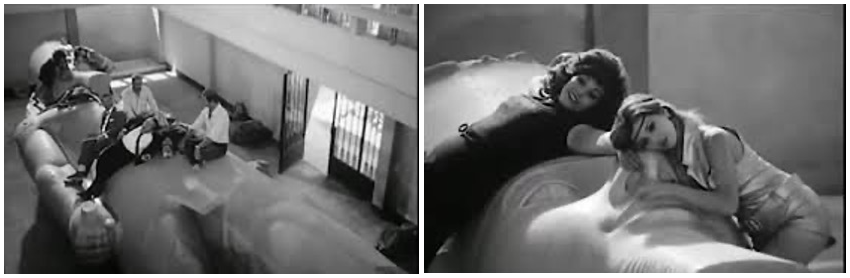
The archaeological scene in Mit-Rahina (Screenshot by author)
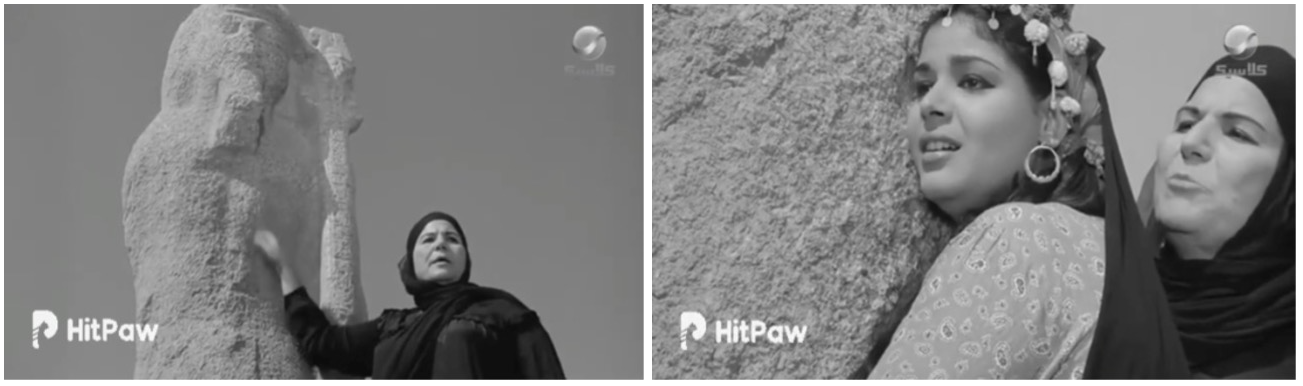
Local women's fertility rite (Screenshot by author)
Egyptomania narratives or motifs
Tharthara Fawq Al-Nil is more than just a film. It's a cultural milestone that captures the essence of Egyptian society after the country’s 1967 defeat in the Arab-Israeli, Six-Day War. Against the backdrop of societal disillusionment and political turmoil, the film explores the identity and purpose of intellectuals living under a repressive regime.
The archaeological scene in the film, shot in the city of Mit Rahina, serves as a poignant metaphor for Egypt's rich history juxtaposed against its contemporary struggles. Mit Rahina (Memphis), the capital of unified Egypt, is steeped in archaeological treasures, including the iconic statue of King Ramesses II. In a scene rich with symbolism, the characters find solace atop this ancient relic, while Mervat Amin's kiss on the statue reflects reverence for the past and a poignant commentary on the present.
The scene of local female villagers performing a fertility rite around a Pharaonic statue adds depth to the film's exploration of societal beliefs and traditions. It symbolizes the blending of ancient Egyptian culture with contemporary struggles, highlighting the enduring influence of Egypt's rich heritage. Additionally, the fertility rite serves as a metaphor for the characters' hopes for renewal and growth amidst adversity, showcasing the resilience of traditions across generations within Egyptian society.
Tharthara Fawq Al-Nil not only ranks among the top Egyptian films but also stands as a timeless testament to the intersection of art, society, and politics. Its archaeological scene serves as a powerful reminder of Egypt's enduring legacy amidst the tumult of contemporary challenges, making it a cinematic treasure worthy of admiration and reflection.
Naguib Mahfouz, Tharthara Fawq Al-Nil
The archaeological scene in the film, shot in the city of Mit Rahina, serves as a poignant metaphor for Egypt's rich history juxtaposed against its contemporary struggles. Mit Rahina (Memphis), the capital of unified Egypt, is steeped in archaeological treasures, including the iconic statue of King Ramesses II. In a scene rich with symbolism, the characters find solace atop this ancient relic, while Mervat Amin's kiss on the statue reflects reverence for the past and a poignant commentary on the present.
The scene of local female villagers performing a fertility rite around a Pharaonic statue adds depth to the film's exploration of societal beliefs and traditions. It symbolizes the blending of ancient Egyptian culture with contemporary struggles, highlighting the enduring influence of Egypt's rich heritage. Additionally, the fertility rite serves as a metaphor for the characters' hopes for renewal and growth amidst adversity, showcasing the resilience of traditions across generations within Egyptian society.
Tharthara Fawq Al-Nil not only ranks among the top Egyptian films but also stands as a timeless testament to the intersection of art, society, and politics. Its archaeological scene serves as a powerful reminder of Egypt's enduring legacy amidst the tumult of contemporary challenges, making it a cinematic treasure worthy of admiration and reflection.
It was not strange that the Egyptians worshipped Pharaoh, but what was strange is that Pharaoh believed he was a god.
Naguib Mahfouz, Tharthara Fawq Al-Nil
Author: Basma Selim
Tags
Write a Comment
Tem de iniciar a sessão para publicar um comentário.